The retail landscape is constantly evolving, influenced by advancements in technology, shifting consumer behaviors, and broader societal changes. Understanding these trends is essential for both consumers and retailers as they navigate the complexities of the modern shopping experience. This article explores several key trends that are shaping the future of retail.
The Digital Shopping Surge
The digital shopping surge has been one of the most significant shifts in the retail industry in recent years. With the rise of e-commerce, consumers are increasingly turning to online platforms for their shopping needs. This trend is driven by the convenience of shopping from home, the ability to compare prices easily, and access to a vast array of products.
Retailers have recognized the importance of having a strong online presence. Many traditional stores have developed their own e-commerce websites, while others have partnered with established online platforms to reach a broader audience. The integration of online and offline shopping experiences, known as omnichannel retailing, has become crucial. Consumers want seamless transitions between shopping modes, whether they are browsing online or visiting a physical store.
The Impact of Mobile Technology
Mobile technology has revolutionized the shopping experience. With smartphones becoming ubiquitous, more consumers are using mobile devices to shop. Retailers are responding by optimizing their websites for mobile browsing and developing dedicated shopping apps. These apps offer features such as personalized recommendations, easy payment options, and exclusive discounts, making mobile shopping an appealing choice for many.
Moreover, mobile wallets and payment systems have simplified the checkout process, allowing for quick and secure transactions. This convenience has encouraged more consumers to make purchases through their mobile devices, further solidifying the role of mobile technology in retail.
The Role of Social Media in Shopping
Social media has transformed the way consumers discover and engage with brands. Platforms like Instagram, Facebook, and TikTok have become essential tools for retailers looking to connect with their target audience. Influencer marketing, where brands collaborate with social media personalities to promote products, has gained traction, providing authentic endorsements that resonate with consumers.
Social commerce is also on the rise, allowing users to shop directly through social media platforms. This integration creates an immersive shopping experience, blurring the lines between social interaction and commerce. Brands that effectively leverage social media can build strong communities around their products, fostering loyalty and encouraging repeat purchases.
Sustainability and Ethical Consumerism
Sustainability has emerged as a significant consideration for consumers when making purchasing decisions. Many shoppers are now prioritizing brands that demonstrate a commitment to sustainable practices and ethical sourcing. This trend reflects a growing awareness of environmental issues and a desire to make responsible choices.
Retailers are responding by implementing sustainable practices, such as using eco-friendly materials, reducing waste, and promoting transparency in their supply chains. Brands that communicate their sustainability efforts effectively can attract environmentally conscious consumers and enhance their reputation in the marketplace. This shift toward sustainability is particularly noticeable in industries like fashion, where consumers are increasingly seeking out eco-friendly and ethically produced clothing.
The Rise of Personalization
In an age of overwhelming choice, personalization has become a key differentiator for brands. Consumers appreciate tailored shopping experiences that cater to their individual preferences. Retailers are utilizing data analytics to gather insights into customer behavior, allowing them to offer personalized recommendations and targeted marketing messages.
Personalization enhances customer engagement and fosters loyalty, as consumers are more likely to return to brands that understand their needs. By focusing on individualized experiences, retailers can stand out in a competitive marketplace and build meaningful connections with their customers.
Subscription Services: Convenience and Discovery
The subscription model has gained popularity as consumers seek convenience and curated experiences. Subscription services, ranging from meal kits to beauty products, offer shoppers a way to receive items tailored to their preferences on a regular basis. This model not only simplifies the shopping process but also introduces an element of surprise and excitement for consumers.
Brands that offer subscription services can cultivate loyal customer bases, as subscribers appreciate the value and convenience of receiving curated products. By focusing on quality and personalization, retailers can ensure that their subscription offerings resonate with consumers and meet their evolving needs.
Experiential Retail: Creating Memorable Experiences
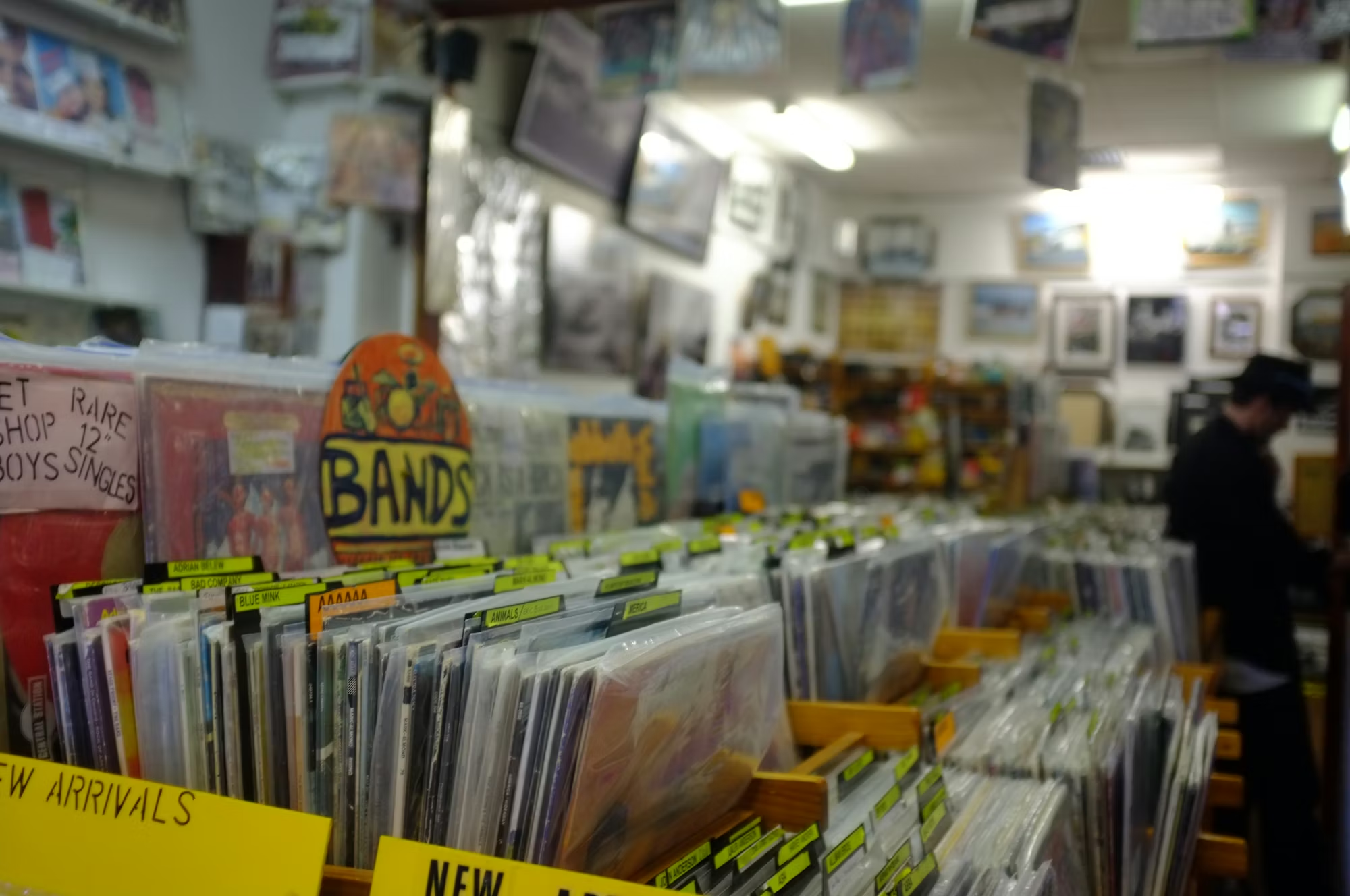
In response to the rise of online shopping, many retailers are embracing experiential retail as a way to draw customers into physical stores. This trend focuses on creating memorable experiences that go beyond traditional shopping. Retailers are offering interactive displays, workshops, and events that engage customers and provide unique value.
Experiential retail allows brands to showcase their products in innovative ways, fostering emotional connections with consumers. By creating immersive experiences, retailers can differentiate themselves from online competitors and encourage foot traffic in their stores.
The Future of Retail Technology
Technology continues to play a pivotal role in shaping the future of retail. Innovations such as artificial intelligence (AI), virtual reality (VR), and augmented reality (AR) are enhancing the shopping experience. AI-powered chatbots can provide instant customer support, while VR and AR allow consumers to visualize products in their environments before making a purchase.
For example, AR applications can help shoppers see how furniture would look in their homes or how clothing fits without trying it on physically. These technological advancements not only enhance consumer engagement but also help retailers create memorable shopping experiences that resonate with customers.
Conclusion
The future of retail is bright and dynamic, shaped by changing consumer preferences and technological advancements. As e-commerce and mobile shopping continue to dominate, retailers must adapt to meet the expectations of today’s consumers. By prioritizing sustainability, personalization, and innovative experiences, brands can create shopping environments that resonate deeply with their audiences. As consumers navigate the complexities of the modern marketplace, informed and intentional choices will empower them to align their purchasing decisions with their values and lifestyles.